If you want a project that feels cute, creative, and surprisingly relaxing, Giraffe Crochet is a wonderful place to begin.
Advertising
It gives you the charm of handmade amigurumi, the satisfaction of shaping something with personality, and the joy of watching a simple ball of yarn turn into an adorable character.
That is exactly why giraffe projects remain so popular with beginners and experienced crocheters alike.
A crocheted giraffe can be sweet for nursery decor, meaningful as a handmade gift, and fun enough to keep you motivated from the first round to the final detail.
In this guide, you will learn how to approach Giraffe Crochet in a way that feels clear, beginner-aware, and realistic for a project you can actually finish.
Important: This content is independent, informational, and has no affiliation with, sponsorship from, or control over any brand, platform, designer, publisher, or third party mentioned here.
Why Giraffe Crochet is such a good project to make
Giraffe Crochet is a great project because it combines playful design with manageable construction.
You are usually working with familiar amigurumi shapes like spheres, tubes, small ears, legs, and a simple neck, which helps the process feel less intimidating than it may look at first.
At the same time, the finished giraffe has a lot of personality.
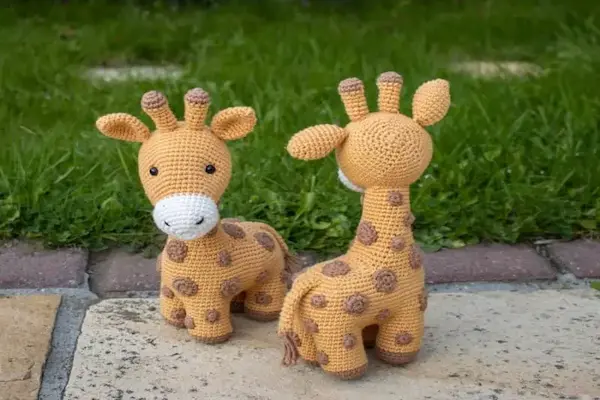
The long neck, soft spots, tiny horns, and gentle face instantly make it feel special.
That balance is what makes it so rewarding.
You get something visually charming without needing a huge or overly technical project.
It also fits naturally into the world of Easy Amigurumi, which is why many people choose it after completing a few very simple crochet animals.
If you are looking for a toy project that feels creative but still approachable, this is one of the smartest directions you can take.
What you need before starting a Giraffe Crochet project
The best way to start is by keeping your materials simple and comfortable to use.
You do not need an overwhelming supply list to make a beautiful giraffe.
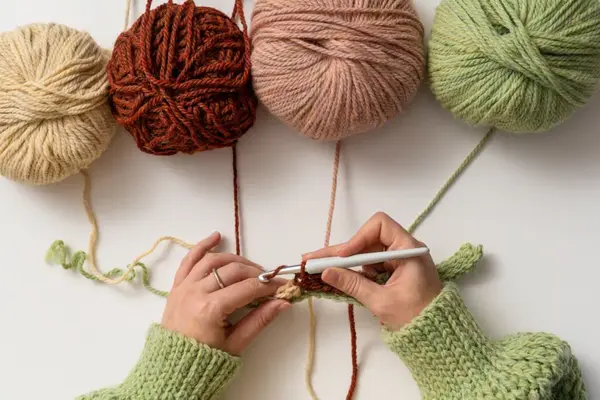
In most cases, a few yarn colors, the right hook, stuffing, a yarn needle, and stitch markers are enough.
That simplicity matters because it helps you stay focused on the process instead of getting lost in tools you may not even need yet.
Most giraffe projects use a main body color, a contrast color for spots, and sometimes a small amount of yarn for facial details or accessories.
You will usually want:
- Main yarn color: often tan, cream, mustard, or another warm neutral.
- Spot color: brown, caramel, rust, or a slightly darker shade.
- Hook: usually smaller than the yarn label suggests so the fabric stays tight.
- Stuffing: enough to shape the body firmly without making it stiff.
- Stitch marker: especially useful when working in continuous rounds.
- Safety eyes or embroidered eyes: depending on the purpose and age suitability of the finished toy.
If you are still building confidence, choose yarn that has clear stitch definition.
That makes it much easier to see where your stitches go and fix mistakes early.
Best yarn and color ideas for Giraffe Crochet
The best yarn for Giraffe Crochet is usually soft, smooth, and easy to control.
Cotton blends and beginner-friendly acrylic yarns are common choices because they show stitches clearly and help the toy hold its shape well.
If the yarn is too fuzzy, you may struggle to see the rounds and stitch placement.
That can make the project more frustrating than it needs to be.
Color choice also has a big effect on the final look.
A classic giraffe palette feels timeless and recognizable, but you do not have to stay strictly realistic.
You can make a softer nursery version, a playful pastel version, or even a fashion-inspired giraffe with a more unexpected palette.
For example, a cheerful accent can feel as bright as a Yellow Crochet Dress palette, while a cleaner neutral base keeps the giraffe calm and gift-friendly.
If you enjoy stylish crochet inspiration in other categories, you may already know how color changes the mood of a piece, whether that is a toy, a garment, or even something like a Prada Crochet Bag inspired color story.
The principle is the same here.
Your colors should support the feeling you want the giraffe to have.
Best stitches for a beginner Giraffe Crochet tutorial
The best stitches for a beginner Giraffe Crochet project are the simple ones used consistently.
Amigurumi usually looks best when the stitchwork is smooth, tight, and even.
That is why single crochet is the most common choice.
It creates a firm fabric that holds stuffing well and gives the giraffe a clean shape.
You may also use techniques like increases, decreases, slip stitches, and basic color changes.
These are not complicated on their own, but they do require patience and a little repetition.
That is also why many people search for the Best Beginner Crochet Tutorial or the Best Crochet Tutorial before they start making toys.
They want to feel comfortable with the basics first.
If you are still learning, focus on these foundation skills:
- Magic ring or magic circle for starting rounded pieces.
- Single crochet for most of the body and limbs.
- Increase stitches to shape the head, body, and muzzle.
- Decrease stitches to close pieces neatly.
- Color changes for spots, details, or clothing accents.
- Basic sewing for joining ears, legs, and horns.
Once these feel familiar, the project becomes much more enjoyable.
How to make Giraffe Crochet step by step
The easiest way to approach Giraffe Crochet is to break the toy into small sections.
That makes the whole project feel much more manageable.
You are not really making one giant complicated object.
You are making a series of simple parts that come together at the end.
- Start with the head or body. Most patterns begin with one of the main shapes so you can build momentum early.
- Crochet the neck carefully. This section matters because it defines the giraffe’s look and needs enough firmness to hold shape.
- Make the legs and ears. These small parts are repetitive, which can actually feel relaxing once you find your rhythm.
- Add the horns and tail. These details give the giraffe its personality.
- Work the spots. You can crochet them separately, embroider them, or change colors directly depending on the pattern style.
- Stuff each section gradually. Add enough filling for shape without making the fabric stretch too much.
- Sew the parts together slowly. Good placement makes a huge difference in how balanced and cute the giraffe looks.
- Finish the face. Eyes, muzzle shaping, and tiny embroidered details often bring the whole toy to life.
This is one reason a Crochet Pattern Video can feel so helpful for toy-making.
Seeing the order of assembly often makes the process much easier to understand.
How to make your Giraffe Crochet project look more polished
A polished giraffe usually comes from neat basics, not from extreme complexity.
If you want your finished toy to look cleaner and more professional, focus on consistency.
- Keep your tension even. Smooth stitches help the body look neat and balanced.
- Stuff firmly but gently. Too little stuffing makes the toy floppy, while too much can distort the stitches.
- Place the features symmetrically. Small differences in ear or eye placement can change the whole expression.
- Sew pieces with patience. Rushed assembly is one of the most common reasons amigurumi looks uneven.
- Use a stitch marker all the way through. This makes it easier to track rounds and avoid accidental drift.
Some makers also use planning tools such as Stitch Fiddle when they want to map color placement or visualize spot arrangements before they begin.
That can be especially helpful if you want to personalize the giraffe instead of following a pattern exactly.
Where to find inspiration for your Giraffe Crochet style
Inspiration can come from many directions, and that is part of what makes this project so enjoyable.
You can stay classic and create a natural giraffe with warm tones and simple spots.
You can make a nursery-friendly version with soft cream and muted gold.
You can even create a playful themed giraffe with accessories, bows, scarves, or tiny outfits.
Many crocheters gather ideas from creators, kits, and communities they already enjoy.
For example, you may come across pattern inspiration through an Annie’s Kit Club Tutorial, seasonal ideas from Repeat Crafter Me, design directions associated with Sonia Estep Designs, or yarn and project browsing through Hobbii Crochet Patterns.
Some people also explore a Crochet Subscription Box for new materials and project ideas.
These references can be useful for inspiration, but your finished giraffe should still reflect your own choices and creativity.
Even broader crochet styles like Mile a Minute Crochet or fashion-led ideas such as Prada Crochet can remind you how much personality yarn projects can hold, even when the categories are completely different.
Common mistakes to avoid in a Giraffe Crochet tutorial
The most common mistakes are usually small, but they affect the final result a lot.
The good news is that they are easy to improve once you know what to watch for.
- Using a hook that is too large: this can leave gaps where stuffing shows through.
- Skipping stitch counting: one missed increase or decrease can change the shape.
- Placing parts too quickly: always pin or test the position before sewing permanently.
- Overstuffing the neck: this can make the giraffe look stiff or stretched.
- Choosing difficult yarn too early: fuzzy or highly textured yarn can make learning harder.
If you are new to crochet toys in general, it also helps to practice the basics first.
That is why many people begin by searching phrases like Learn How to Crochet for Beginners before moving into amigurumi projects.
A little foundation work makes the giraffe much easier to enjoy.
Is Giraffe Crochet beginner-friendly?
Yes, Giraffe Crochet can absolutely be beginner-friendly when you choose a simple pattern and do not expect perfection on the first try.
The shapes are usually manageable, the toy is small enough to finish in a reasonable amount of time, and the final result feels rewarding very quickly.
That makes it a great next project once you understand basic crochet stitches and simple shaping.
If you are just getting started, look for an Easy Amigurumi style giraffe with clear piece construction and minimal advanced detailing.
That version will help you build confidence without turning the project into a struggle.
Final thoughts on making a Giraffe Crochet project
Giraffe Crochet is one of those projects that feels fun, personal, and satisfying from the first rounds to the final stitched smile.
It gives you the chance to practice core amigurumi skills while creating something that has real charm and gift-worthy appeal.
That is a powerful combination.
When you keep the yarn simple, the stitches steady, and the assembly thoughtful, the result can look far more advanced than it felt to make.
You do not need the most complicated pattern to create something memorable.
You just need a clear plan, a little patience, and enough curiosity to keep going one piece at a time.
And honestly, that is exactly what makes a crocheted giraffe so delightful to create.