Government Assistance for Needy Families
The government guarantees assistance for needy families.
Advertising
See if you are eligible and how to apply for your benefits.
Assistance for Needy Families: What It Is and How It Helps Moms Right Now
Assistance for needy families is often used as a plain-language umbrella for multiple public benefit programs.
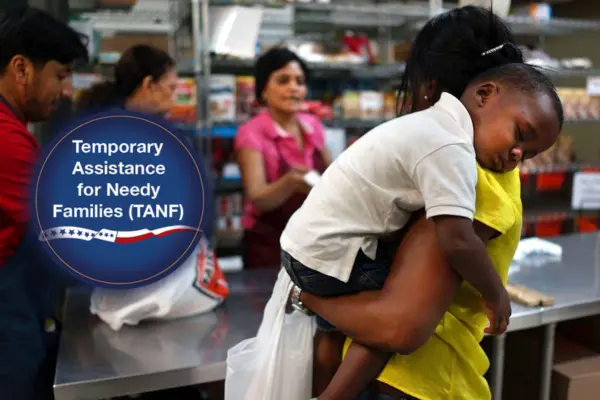
The closest “official” name many people mean is Temporary Assistance for Needy Families (TANF), sometimes called cash assistance or welfare.
But moms can also qualify for food help, health coverage, child care support, housing programs, and tax credits that boost refunds.
Think of this guide as a map, not a single application, because most benefits are run by your state and local agencies.
The good news is that applying for one benefit often makes it easier to qualify for another.
And the best time to start is usually before things become an emergency.
Who Qualifies for Assistance for Needy Families (Eligibility Basics for Mothers)
Eligibility is usually based on four things: household size, income, where you live, and who is in your family.
Many programs focus on households with children, pregnant people, or caregivers of young kids.
Some benefits also look at assets, but the rules vary widely by state and by program.
Immigration status rules can be complicated, and some benefits depend on “qualified” status or a child’s eligibility.
If you are working, in school, or job hunting, you may still qualify, and some programs are designed to support that transition.
If you are not working because of pregnancy, postpartum recovery, or child care gaps, you may have additional options or exemptions.
One mindset shift that helps
Eligibility is not a judgment of your effort.
It is simply a set of rules that unlock support while you stabilize your family.
What Benefits You Can Get Through Assistance for Needy Families
Most moms end up combining benefits, because no single program covers every bill.
Common “stacks” include food support plus health coverage, or child care help plus tax credits, or housing help plus utility relief.
Some programs pay benefits monthly, while others give you a one-time award or a yearly tax refund boost.
You may also qualify for referrals like job training, transportation help, diapers through local nonprofits, or home visiting support.
Your best strategy is to apply in an order that gets fast essentials first, then longer-wait programs second.
We will build that quick-start order for you at the end.
Cash Assistance (TANF) for Moms: Monthly Help, Limits, and State Rules
TANF is a federally funded, state-run program that can provide cash assistance and supportive services for families with children.
States set their own payment amounts, income rules, and required steps, which is why TANF can look very different from one state to another.
Many states connect TANF to work activities, education, training, or job-search requirements, with some exemptions for caregivers of very young children.
Time limits are also common, and federal TANF rules include a lifetime limit of 60 months for federally funded assistance in many cases.
If your situation is complicated, ask the caseworker what counts as a hardship exemption or what activities can satisfy requirements.
Even if you do not qualify for TANF cash, the same application process may connect you to child care help or job services.
What TANF cash is best used for
- Rent gaps that would otherwise trigger eviction.
- Diapers, wipes, and baby essentials when other funds run out.
- Transportation costs so you can keep work, school, or medical appointments.
- Emergency needs that keep your household stable.
Food Support for Families: SNAP (EBT) and WIC for Pregnant Moms, Babies, and Kids
Food help is often the fastest way to relieve pressure, because it frees cash for rent and utilities.
SNAP provides monthly benefits on an EBT card for groceries, and you apply in the state where you live.
WIC is different, because it is designed specifically for pregnancy, postpartum, breastfeeding, infants, and children up to age five.
WIC provides specific healthy foods, nutrition education, breastfeeding support, and referrals at no cost to you.
Many moms qualify for both SNAP and WIC at the same time, and that combination can feel like finally exhaling.
If your pantry is empty right now, ask about expedited SNAP in your state.
SNAP vs WIC in plain English
- SNAP is flexible grocery money for the whole household.
- WIC is targeted nutrition support for pregnancy, babies, and young children.
- WIC often requires an appointment, while SNAP is usually an eligibility interview plus documents.
Health Coverage for Mothers and Children: Medicaid, Pregnancy Coverage, Postpartum, and CHIP
Health coverage is one of the most valuable benefits, because medical bills can snowball fast after pregnancy or an ER visit.
Medicaid coverage rules vary by state, but it commonly covers eligible low-income adults, pregnant people, children, and people with disabilities.
Pregnancy Medicaid can be a separate pathway with different income rules than regular adult coverage.
Many states also use a federal option to extend postpartum coverage up to 12 months, which helps keep care consistent after birth.
For children, CHIP can cover kids in families who earn too much for Medicaid but still cannot afford private insurance.
If you missed earlier medical bills, ask your Medicaid office about retroactive coverage rules.
A simple way to avoid coverage gaps
Apply as soon as you suspect you may qualify, even if your paperwork is not perfect yet.
Then respond quickly to requests for documents, because many delays come from missing verification.
Child Care Help for Working or Studying Moms: Subsidies, Vouchers, and How Waitlists Work
Child care help can be the difference between keeping a job and losing it.
Most states use Child Care and Development Fund (CCDF) money to offer subsidies or vouchers that reduce what you pay to a provider.
Eligibility typically depends on your child’s age, your work or school activity, and your family income compared to state limits.
Because funding is limited, some areas use waitlists, lotteries, or priority categories such as infants, foster care, or families experiencing homelessness.
Even if there is a waitlist, applying early can lock in your place and protect your timeline.
Ask what counts as “work,” because many states include job training or education as qualifying activities.
What to ask when you call
- How long is the waitlist right now for my child’s age group.
- Which providers accept vouchers in my zip code.
- What documents can I upload to speed up verification.
- Whether my school schedule can count as an approved activity.
Free Early Childhood Support: Head Start and Early Head Start for Babies, Toddlers, and Pregnant Moms
Head Start and Early Head Start are powerful because they combine early learning with family support.
Early Head Start can serve pregnant women and families with children under age three.
Head Start generally serves children ages three to five and focuses on school readiness and whole-family services.
Programs may offer center-based care, home visiting, screenings, and connections to health and social services.
Slots can be limited, so applying early matters, especially for infants and toddlers.
If you are pregnant and want extra support, ask specifically whether your local Early Head Start enrolls expectant families.
Housing Help for Families: Section 8, Emergency Rental Assistance, and Local Programs
Housing help exists, but it often requires patience, because demand is high and waitlists can be long.
The Housing Choice Voucher Program, often called Section 8, is administered through local Public Housing Agencies (PHAs).
Many PHAs open their waitlists for short windows, so it helps to check periodically and sign up for alerts.
Emergency rental help may exist locally through city, county, nonprofit, or state programs, but availability changes as funding changes.
If you need a starting point, use official government benefit finders and local resource hotlines to locate programs in your area.
If you are facing eviction, also ask about legal aid, because some families qualify for free tenant support.
What makes housing applications smoother
Keep copies of your lease, rent ledger, and any eviction notices in one folder.
Those documents can unlock faster help when a program opens suddenly.
Utility Bill Relief for Moms: LIHEAP, Weatherization, and Energy Assistance
Utility shutoff notices are scary, but you may be eligible for help before the lights go out.
LIHEAP can help eligible households with heating or cooling bills and can sometimes prevent disconnection.
Weatherization programs can reduce your monthly bills by improving your home’s energy efficiency and safety.
Some states also have crisis energy programs or utility-company hardship plans, especially during extreme temperatures.
If you receive TANF or another benefit, that can sometimes make it easier to qualify for weatherization in your area.
When you apply, mention any medical needs that require electricity, because some programs treat that as urgent.
Tax Credits That Put Money Back in Your Pocket: CTC, EITC, and Child Care Tax Credits
Tax credits can feel like “found money,” but only if you file a tax return and claim them correctly.
The Child Tax Credit can reduce taxes and may provide a refundable portion for some families, depending on the tax year and eligibility rules.
The Earned Income Tax Credit is a refundable credit for low- to moderate-income workers, and the amount depends on income and children.
The Child and Dependent Care Credit can help if you paid for care so you could work or look for work.
These credits are not monthly benefits, but they can create a bigger refund that helps you catch up on bills.
If you feel nervous about filing, look for free, reputable tax help programs in your area and avoid refund scams.
A helpful reminder about timing
Refunds that include certain credits can be delayed by law, so file early and keep your documents consistent.
And never pay anyone who promises a “guaranteed” refund amount before they review your information.
Paid Leave vs Job Protection: What Mothers Should Know About FMLA and State Programs
FMLA is job protection, not a paycheck, and that distinction matters when you plan maternity or caregiving time.
If you work for a covered employer and meet the hours and tenure rules, FMLA can provide up to 12 weeks of unpaid, job-protected leave for birth and bonding.
Your health insurance generally continues under the same terms while you are on FMLA, if you keep up with your share of premiums.
Some states offer paid family leave programs that provide wage replacement, and those rules are separate from FMLA.
Ask your HR department what paperwork is required, and keep copies of everything you submit.
If your workplace is small or your work history is short, you may still have state protections, so check your state labor site.
Documents You’ll Need to Apply (Moms’ Checklist to Avoid Delays)
Most denials and delays are not about eligibility.
They happen because the agency needs proof and did not get it in time.
Use this checklist as your “grab-and-go” folder for multiple programs.
- A photo ID for the applying adult.
- Social Security numbers or documents for household members who are applying.
- Proof of address, such as a lease, utility bill, or official mail.
- Income proof, such as pay stubs, employer letter, or self-employment records.
- Child information, such as birth certificates or school records if requested.
- Pregnancy verification if you are applying for pregnancy-related coverage or WIC.
- Rent and utility amounts, especially if you are seeking housing or energy help.
Pro tip that saves time
Take clear photos of documents and save them in a single phone album labeled “Benefits.”
That one habit can turn a stressful back-and-forth into a one-day upload.
Step-by-Step: How to Apply for Assistance for Needy Families (Fastest Routes by State)
The fastest route is usually your state’s official online benefits portal, because it timestamps your application immediately.
If you do not have stable internet, libraries and community centers often provide free access and printing.
You can also apply in person, by mail, or sometimes by phone, depending on the program and your state.
To find the correct agency quickly, use official government benefit finder tools and then follow the state link to apply.
When possible, ask whether the state supports combined applications for multiple programs.
If you feel overwhelmed, ask a local nonprofit or community action agency to help you complete the forms.
Fast application flow
- Locate your state’s official benefits portal or agency page.
- Start the application even if you are missing one document.
- Write down your case number or confirmation number immediately.
- Complete the interview when scheduled, or request phone options if available.
- Upload documents the same day you receive the request list.
- Check messages in your portal weekly until the case is finalized.
How Long Approval Takes and When Benefits Start (Timelines and Backpay Myths)
Timelines depend on the program, and the fastest outcomes come from fast document responses.
SNAP generally must be issued within 30 days for eligible households, and some households qualify for expedited service sooner.
Medicaid and CHIP have federal timeliness standards, and non-disability cases are generally expected within 45 days.
TANF timelines vary by state, and your state may have its own standard of promptness rules.
WIC timing can depend on appointment availability in your local clinic.
Backpay is not automatic, so do not assume you will be paid for months before you applied.
The timeline mindset that reduces stress
Apply first, then perfect the paperwork.
Waiting to be “fully ready” often costs more than it saves.
Common Application Problems for Moms (And How to Fix Them Quickly)
Problem one is missing documents, especially income proof for gig work, cash tips, or self-employment.
Fix it by providing bank statements, invoices, a simple income ledger, or an employer letter that matches what you reported.
Problem two is missed interviews, which can trigger denials even when you are eligible.
Fix it by answering unknown calls during the interview window and checking portal messages daily.
Problem three is inconsistent household details, like addresses, daycare expenses, or who buys food together.
Fix it by writing your household “story” once and using the same details across every form.
Problem four is not reporting changes correctly.
Fix it by asking the agency what changes you must report and how fast you must report them.
If You’re Denied: Appeals, Fair Hearings, and Getting Help From Local Agencies
A denial is not the end of the road.
Many denials happen for procedural reasons, like missing a document or missing an interview, and those can often be corrected.
Read the notice carefully, because it should explain the reason and the deadline to appeal.
You can request a fair hearing, and you can also ask for a supervisor review if the issue is a misunderstanding.
If you need support, legal aid offices and community organizations may help you prepare your appeal.
Keep copies of everything you submit, and write down dates, names, and confirmation numbers.
What to do within 24 hours of a denial
- Find the exact denial reason on the notice.
- Call the agency and ask what proof would change the decision.
- Submit missing items immediately and keep upload receipts.
- File an appeal before the deadline if the issue is not resolved.
Safety and Scam Alerts: How to Spot Fake “Benefit” Sites and Protect Your Information
Scammers know moms are busy and tired, and they use urgency to push you into clicking.
Official applications are usually through state agencies, official program websites, or trusted benefit finder tools.
Be cautious if a site asks you to pay a fee to “unlock” benefits or promises instant approval.
Never share your Social Security number through a link from a random text message or social media ad.
Use strong passwords on benefit portals, and avoid logging in on public Wi-Fi unless you must.
If something feels off, stop and go directly to an official .gov site to restart safely.
Quick red flags
- They ask for payment to apply.
- They pressure you with “today only” threats.
- They will not show a real state agency name and contact number.
- They ask for your full SSN before you even choose your state.
Quick Start Plan for Moms: The Best Order to Apply for Multiple Benefits Without Stress
If you are juggling kids, work, and appointments, the best plan is the one that saves time and reduces decision fatigue.
Start with the benefits that prevent immediate harm, then move to benefits with longer waits.
Here is a practical order that works for many families, even though the exact steps vary by state.
- Apply for Medicaid or pregnancy coverage first to protect health and reduce medical debt risk.
- Apply for SNAP next, and ask about expedited service if you have very low income or urgent need.
- Apply for WIC if you are pregnant, postpartum, breastfeeding, or have children under five.
- Apply for child care assistance if you work, job hunt, or attend school or training.
- Apply for Head Start or Early Head Start to add early learning and family support.
- Apply for energy help if you have shutoff risk or extreme weather hardship.
- Apply for housing vouchers and local housing help early because waitlists can be long.
- Plan your tax credits by saving income documents and care receipts for filing season.
If you do only one thing today, start the first application and get a confirmation number.
That single step turns “I should” into “I’m already in progress,” and that is how relief begins.
Notice: This content is independent and has no affiliation, sponsorship, or control by the entities mentioned.
Programs, rules, and application steps can change, and your state agency is the official source for decisions.