Federal Assistance Programs 2026: What Changed
Advertising
Federal assistance programs changed significantly in 2026 — and millions of families don’t know what’s different.
New work requirements, expired subsidies, and updated income limits affect nearly every major program this year.
Keep reading for the complete 2026 overview — what changed, who’s affected, and what to do right now.
See Also
- SNAP benefits 2026 — who qualifies and how to apply
- Medicaid vs Medicare — which one covers you in 2026
- Federal housing assistance — rent, utilities, and emergency help
- TANF cash assistance — how to apply in 2026
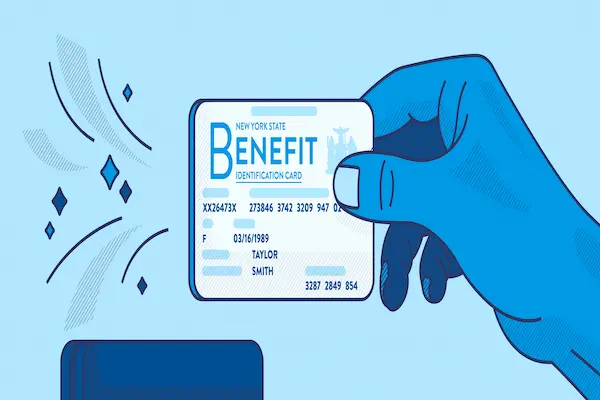
Federal Assistance Programs 2026: What Changed and Why It Matters
The 2026 federal assistance landscape was shaped by two forces: a major budget reconciliation package and the expiration of pandemic-era financial cushions protecting millions of households since 2020.
The result is a tighter eligibility environment across most federally funded programs — stricter work requirements for SNAP, higher ACA premiums, and housing waitlists closed in most major cities. Core housing and energy programs, however, received restored or increased funding through an early 2026 bipartisan spending package, keeping the infrastructure for housing and utility assistance intact.
Understanding the specific changes is the most important step toward making sure your household still receives every benefit it’s entitled to — the SNAP eligibility update alone affects adults 55 to 64 in ways that weren’t in effect 12 months ago.
2026 Federal Poverty Level Guidelines: The Income Baseline for All Programs
Almost every federal government financial assistance program uses the Federal Poverty Level (FPL) as its income baseline. The Department of Health and Human Services (HHS) released the updated 2026 figures earlier this year.
| Family Size | Annual Income (100% FPL) | Monthly Income (100% FPL) |
|---|---|---|
| 1 person | $15,960 | $1,330 |
| 2 people | $21,640 | $1,803 |
| 3 people | $27,320 | $2,277 |
| 4 people | $33,000 | $2,750 |
| 5 people | $38,680 | $3,223 |
These figures apply to the 48 contiguous states. Alaska and Hawaii use higher thresholds adjusted for their cost of living.
Most SNAP, CHIP, Medicaid, LIHEAP, and TANF programs use a percentage of these figures as income cutoffs — typically 100% to 200% of FPL. At 130% FPL, a family of four can earn up to approximately $42,900 annually and still qualify for SNAP.
SNAP 2026 Reforms: Major Changes to Federal Food Assistance Programs
SNAP underwent its most substantial reforms in recent history in 2026, driven by the “One Big Beautiful Bill” budget reconciliation package — with the largest changes targeting work requirements for older adults.
Expanded Work Requirements for Older Adults
The most significant change: the age limit for Able-Bodied Adults Without Dependents (ABAWDs) subject to work requirements has been raised from 54 to 64 years old.
Adults aged 55 to 64 must now document at least 80 hours per month of work, training, or volunteering to maintain SNAP eligibility beyond three months. Most states began full enforcement on February 1, 2026.
Narrowed Exemptions
Two previously automatic exemptions have been tightened under the 2026 rules:
- Veterans: The blanket work exemption has been narrowed — veterans must meet specific criteria rather than being automatically exempt based on service status alone
- Homeless individuals: The automatic work exemption for people experiencing homelessness has been tightened
- Parents: The work exemption now applies only if the youngest child is under age 14 — previously, a child under 18 was sufficient
Federal Financial Assistance Programs: Healthcare in 2026 — The Subsidy Cliff Returns
For households relying on ACA Marketplace insurance, 2026 brought the most significant premium increases since the ACA launched.
The enhanced premium tax credits — extended through the pandemic years — expired on January 1, 2026:
- Premium increases: Out-of-pocket premiums for ACA Marketplace enrollees rose by an average of 75% to 114% depending on plan and state
- The subsidy cliff has returned: Households earning over 400% of the FPL no longer qualify for federal premium tax credits. For a family of four, this affects households earning above approximately $132,000 annually.
- Lower-income households remain protected: Households below 400% of FPL still qualify for tax credits — but at lower subsidy levels than the enhanced credits provided during 2021–2025
For households who can’t afford 2026 ACA premiums, Medicaid is the primary alternative — available to households at or below 138% of FPL in expansion states. In non-expansion states like Texas, Florida, and Georgia, Medicaid eligibility remains highly restricted. The Medicaid vs Medicare guide covers which program applies at each income level and how to avoid the coverage gap.
HUD Housing and LIHEAP: Federal Aid Programs That Held Funding in 2026
Despite early 2026 proposals for significant cuts, Congress passed a “minibus” spending package in early 2026 that preserved core housing services.
HUD Homeless Assistance Grants
The Homeless Assistance Grants program received a restored $4.4 billion allocation for FY2026, funding emergency shelters, rapid re-housing, and permanent supportive housing. A Foster Youth to Independence initiative secured $30 million for youth transitioning out of foster care. Dial 2-1-1 to connect immediately to your local Continuum of Care network.
Section 8 Status in 2026
Funding for existing Section 8 vouchers remains stable, but most major metropolitan PHAs report waiting lists closed through the end of 2026. Applying to multiple PHAs — including suburban and rural agencies — remains the most practical strategy for new applicants.
LIHEAP Energy Assistance
LIHEAP funding was slightly increased to $4.045 billion for FY2026. Due to higher utility costs nationwide, individual benefit amounts are capped between $174 and $750 per household in many states — apply as early as possible, as funding exhausts before the official deadline in most states.
Federal Grants for Home Improvements and Repairs in 2026
Several federal grants for home improvements and repair programs remain active in 2026, targeting low-income homeowners who can’t cover critical repairs out of pocket.
- USDA Section 504 Home Repair: Provides loans up to $40,000 and free government grants for home repairs up to $10,000 for very low-income rural homeowners addressing health and safety hazards. Grants are available specifically for homeowners aged 62 and older who can’t repay a loan.
- Federal Weatherization Assistance Program (WAP): The federal weatherization assistance program provides free energy efficiency upgrades (insulation, HVAC, sealing) for income-qualified households at or below 200% of FPL. Apply through your state energy office or local Community Action Agency. LIHEAP and WAP are complementary — LIHEAP covers current bills while WAP reduces future costs through physical improvements.
- CDBG Home Rehabilitation: Community Development Block Grant funding supports local home rehabilitation and repair programs covering structural repairs, lead paint, and accessibility modifications for low-income homeowners at no cost.
Federal Pharmaceutical Assistance Programs in 2026
Federal pharmaceutical assistance programs help low-income individuals access medications at reduced or no cost — especially important given the 2026 ACA premium increases.
- Medicare Extra Help (LIS): Covers most Part D prescription drug costs for Medicare enrollees with income below approximately 150% of FPL. Apply at SSA.gov.
- Medicaid prescription coverage: In expansion states, prescriptions are covered with minimal co-pays. Non-expansion state residents should check state-specific pharmaceutical assistance programs separately.
- Federal hardship program provisions: The federal hardship program framework within Medicare Savings Programs covers Part B premiums, deductibles, and co-insurance for dual-eligible households — eliminating most out-of-pocket healthcare costs for the lowest-income Medicare enrollees.
Federal Government Aid Programs: Key 2026 Deadlines to Know
Several critical deadlines for federal government aid programs fall in the coming months — missing them can result in benefit gaps that are difficult to correct retroactively.
- April 15, 2026: Deadline for many states to submit Summer EBT (SUN Bucks) plans for the 2026 school break — qualifying households with school-age children will receive an additional $120 per child automatically onto their EBT card
- May 1, 2026: Washington D.C. and several other jurisdictions begin active screening and benefit shut-offs for SNAP recipients who have not met the new 2026 work requirements — verify your compliance status immediately if you are in the 55–64 age bracket
- June 30, 2026: Expiration of the current 2025–2026 WIC income guidelines; new limits will be announced for the July 1 cycle — recertifying before this date with current guidelines is advisable if you are near the WIC income threshold
Families navigating multiple program changes benefit from a community action agency appointment — these organizations handle SNAP, Medicaid, LIHEAP, WIC, and housing referrals in one session, staying current with 2026 state-level changes. The federal housing assistance guide covers Section 8, LIHEAP, and emergency rental assistance in full detail.
This content is purely informational and independent. We have no affiliation with, sponsorship from, or control over HHS, HUD, USDA, or any federal agency or program mentioned here. Funding levels, eligibility rules, and deadlines change frequently — always verify current information directly with the relevant agency or your local community action office before acting.
The 2026 changes affect households differently depending on income, family size, and state. Our Public Assistance section covers every major federal benefit program with dedicated step-by-step guides — food, healthcare, housing, cash assistance, phone benefits, and more.