Pregnancy Week-by-Week Checklist for First-Time Moms
Advertising
Some days, pregnancy feels like a warm, exciting secret you get to carry quietly, and other days it feels like a calendar sprint where everyone expects you to know what happens next.
This pregnancy week by week checklist is built to give you calm structure, practical next steps, and enough flexibility to fit your real life, without replacing your obstetrician’s guidance.
Important note before you start
This content is informational and organizational only, and it is not medical advice, diagnosis, or treatment guidance.
Every pregnancy timeline can look different depending on your health history, local protocols, and your provider’s preferences, so use this as a planning companion and confirm details with your obstetrician or midwife.
Disclaimer: this content is independent and has no affiliation, sponsorship, or control by any institutions, platforms, clinics, brands, or third parties mentioned.
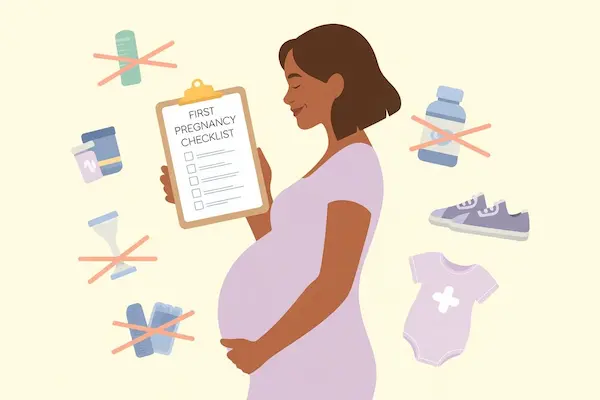
Pregnancy week by week checklist: how to use it without stress
Start by picking one “planning day” each week, because consistent small check-ins feel lighter than one giant catch-up session that steals your weekend.
Next, highlight only the actions that apply to you, since a good checklist reduces noise instead of adding new pressure.
Finally, treat your appointments as the “anchors” and let everything else orbit around them, because prenatal appointments are where you personalize the plan.
Your simple weekly rhythm
- Read the coming week’s focus in this checklist, then choose two or three priorities that fit your energy.
- Write down questions you want to ask at your next prenatal appointment, even if they feel small.
- Do one home task that reduces future stress, like filing paperwork, setting up a folder, or making a shopping list.
- Do one care task that supports your body, like hydration planning, gentle movement, or sleep routines you can repeat.
- Close the week by noting what worked, because your plan should adapt to you, not the other way around.
What to track, lightly, so you feel in control
- ☐ Estimated due date details and how your provider is calculating it.
- ☐ Upcoming prenatal appointments and any labs or scans mentioned.
- ☐ Symptoms you want to ask about, especially patterns that repeat.
- ☐ Medications and supplements you are taking, including brand and dose, to confirm safety with your clinician.
- ☐ Practical milestones, like telling work, planning leave, and budgeting.
- ☐ Emotional notes, because mood changes matter and deserve space in the plan.
Pregnancy timeline basics that reduce confusion early
Pregnancy weeks are typically counted from the first day of your last menstrual period, which means “weeks 1 and 2” can happen before conception actually occurs.
That odd counting method is normal, and it explains why many people discover pregnancy around weeks 4 to 6, when a missed period prompts a test.
Trimesters are usually grouped as weeks 1–13, weeks 14–27, and weeks 28–40, but your provider may define the boundaries slightly differently.
Your trimester checklist overview
- First trimester: confirm pregnancy care, establish baseline labs, and build routines that protect your energy.
- Second trimester: schedule key screenings, plan ahead for work and home logistics, and enjoy the steadier middle stretch.
- Third trimester: prep for birth and postpartum support, finalize practical details, and watch for symptoms that need quick attention.
Pregnancy week by week checklist for the first trimester (weeks 1–13)
The first trimester can feel like a private storm of changes, so the goal is not perfection but steady organization that makes appointments and decisions easier.
Weeks 1–3: setup weeks that still matter
Even before you “feel pregnant,” it helps to start a simple pregnancy folder, because paperwork and results accumulate quickly.
- ☐ Create a notes file or notebook section labeled “Pregnancy timeline.”
- ☐ List your last period start date and any important health history for your first visit.
- ☐ Write down current medications, supplements, and allergies to review with your provider.
- ☐ If you smoke, vape, or drink alcohol, prepare a plan to discuss stopping safely with your clinician.
Weeks 4–6: confirmation and first scheduling
During these weeks, many people juggle excitement and worry at the same time, so having a simple checklist keeps your mind from spinning in circles.
- Call to schedule your first prenatal visit and ask what records they want you to bring.
- Ask which symptoms are considered normal discomfort versus signs you should report quickly.
- Start a question list that you keep in one place, so you do not rely on memory on appointment day.
- ☐ Begin a hydration routine you can actually maintain, like a bottle you refill twice daily.
- ☐ Plan easy meals and snacks that reduce nausea triggers, focusing on what you can tolerate.
- ☐ Consider a basic budgeting note for upcoming costs, because early awareness lowers later stress.
Weeks 7–9: early appointments and baseline tests
Your first prenatal appointment often includes history, vitals, and early labs, and your provider may schedule an ultrasound depending on your situation and local practice.
- ☐ Bring your medication and supplement list, including doses, so nothing is guessed.
- ☐ Ask about common first-trimester blood work, urine testing, and what results will be shared.
- ☐ Discuss nausea, fatigue, and food aversions honestly, because quality-of-life support is part of care.
- ☐ Confirm which prenatal vitamin approach your provider prefers, especially if you are struggling to keep pills down.
Weeks 10–13: planning for screening choices
Some genetic screening options may be offered in the late first trimester or early second trimester, and your provider can explain what each test can and cannot tell you.
- Ask which screenings are available in your clinic and what timing they recommend for your pregnancy.
- Clarify how results are delivered, because waiting without a plan can feel harder than the test itself.
- Discuss vaccines and travel plans if relevant, since timing can matter and guidance is individualized.
- ☐ Start a “baby essentials” list separated into needs, nice-to-haves, and later purchases.
- ☐ If you plan to tell family or work soon, write down what you want to say and what boundaries you want.
- ☐ Schedule dental care if you are due, since many providers encourage keeping up with oral health during pregnancy.
Trimester checklist: second trimester (weeks 14–27)
The second trimester often brings steadier energy, which makes it the best time to handle planning tasks that feel impossible when you are exhausted.
Weeks 14–17: build momentum without overbooking
Use this window to create space in your calendar, because stacking too many obligations can make appointments feel like interruptions instead of support.
- ☐ Confirm the frequency of prenatal appointments for the coming months.
- ☐ Ask about nutrition goals, activity guidelines, and any weight or symptom tracking your provider wants.
- ☐ Begin thinking about childcare and support options, even if decisions come later.
Weeks 18–22: anatomy scan and big-picture planning
The mid-pregnancy ultrasound is commonly scheduled around this time, and your clinician will explain what they are checking and what follow-up might be needed if images are incomplete.
- Schedule the anatomy scan as early as your clinic allows, because appointment slots can fill quickly.
- Write down any family history questions you want to revisit now that screening results may be back.
- Start a shortlist of birth preferences you want to understand better, like pain relief options and labor support.
- ☐ Create a “home prep” list for later, including sleeping setup, feeding supplies, and diapering basics.
- ☐ If you want maternity photos or a small celebration, pick a rough timing that feels comfortable, not performative.
Weeks 23–27: glucose screening window and routine growth checks
Many practices screen for gestational diabetes between about 24 and 28 weeks, and your provider will tell you how to prepare and what the results mean for your care.
- ☐ Ask when your glucose screening is planned and whether fasting is required for your clinic’s approach.
- ☐ Confirm whether additional blood work is expected in this window, depending on your earlier results.
- ☐ Discuss sleep, heartburn, and back discomfort strategies, because small changes now can prevent bigger strain later.
Trimester checklist: third trimester (weeks 28–40+)
The third trimester is where organization pays off, because you can stop reinventing plans and start simply executing what you already decided.
Weeks 28–31: finalize the essentials and revisit your support plan
Many providers increase appointment frequency after the late second trimester, so a clear schedule keeps you from missing important check-ins.
- ☐ Confirm upcoming appointment cadence and any additional monitoring recommended for your pregnancy.
- ☐ Ask about vaccines often offered in the third trimester, and discuss what is appropriate for you.
- ☐ If you are Rh-negative, ask whether Rh immune globulin is recommended around 28 weeks, since this depends on blood type and clinical context.
- Choose a pediatric provider if that is customary where you live, and note how newborn visits are scheduled.
- Plan your route to the birth location, including backup routes for busy hours, so you do not make decisions under pressure.
- Draft a simple postpartum support list, including who can bring meals, help with chores, or sit with you while you rest.
Weeks 32–35: pack, prep, and practice calm logistics
Instead of aiming for a picture-perfect nursery, aim for a functional landing zone where you can feed, change, and rest with minimal effort.
- ☐ Pack a basic hospital or birth-center bag based on your provider’s checklist, then leave it by the door.
- ☐ Wash a small set of baby clothes in newborn and 0–3 sizes, because you only need enough for the first week.
- ☐ Prepare a few freezer-friendly meals or easy pantry meals, because decision fatigue peaks after birth.
Weeks 36–40+: finish line planning and monitoring
Many practices test for Group B strep between about 35 and 37 weeks, and your provider will explain what a positive or negative result means during labor.
- ☐ Ask whether Group B strep testing is planned and how results affect labor management.
- ☐ Discuss signs of labor versus early false labor, so you know when to call.
- ☐ Confirm your provider’s after-hours contact process, including who answers and where you should go.
- ☐ Review your birth preferences in a flexible way, focusing on priorities rather than rigid scripts.
- Set up your postpartum “recovery station” with pads, comfortable clothing, hydration, and easy snacks, so you do not scramble later.
- Install the car seat if you will use a car, and consider having it checked according to local safety options.
- Choose two people who will receive updates during labor, because a communication plan protects your privacy and energy.
Prenatal appointments and common tests: a practical pregnancy checklist timeline
This section gives a typical overview of prenatal appointments and common tests, yet your exact schedule can differ based on your health, your provider, and where you receive care.
Common appointment cadence to ask about
- Many clinics schedule visits about every 4 weeks until around 28 weeks, then every 2 weeks until around 36 weeks, then weekly until birth, while adjustments are common for high-risk care.
- Some practices add extra ultrasounds or monitoring based on growth, blood pressure, medical history, or multiple pregnancy.
Common tests and discussions, by general timing
- Early pregnancy: baseline blood work, urine testing, blood type and Rh factor, and review of medical history and medications.
- First trimester to early second: optional genetic screening discussions depending on your choices and eligibility.
- Around 18–22 weeks: anatomy ultrasound is commonly scheduled in many care settings.
- Around 24–28 weeks: gestational diabetes screening is commonly performed, and some clinics repeat blood counts or other labs.
- Third trimester: vaccine discussions, Group B strep testing around 35–37 weeks, and planning for labor, birth, and postpartum.
Your appointment day mini-checklist
- Bring your current question list, even if you think you will remember it.
- Share any new symptoms with clear examples, including when they happen and what makes them better or worse.
- Ask what the next appointment will include, so you are never surprised by timing or testing.
- Before leaving, confirm where results appear and when you should follow up if you do not hear back.
Questions to ask at prenatal appointments
Having questions ready can turn anxiety into clarity, because you leave the room with answers instead of internet spirals.
First trimester questions
- What symptoms should prompt a call right away, and what can be monitored at home?
- Which supplements do you recommend for me, and what should I avoid based on my health history?
- What food safety and activity guidance do you want me to follow?
- How do you confirm the due date, and could it change after an ultrasound?
- Which screenings are available, and what decisions would results help us make?
Second trimester questions
- What will the anatomy scan evaluate, and what happens if the baby is in a position that limits images?
- How do you track growth and movement, and when should I start paying attention to patterns?
- What travel guidance applies to me, including long car rides or flights, if I have any planned?
- When will glucose screening happen, and how should I prepare?
Third trimester questions
- When should I call you if I think labor is starting, and what details do you want first?
- What pain relief options are available where I will deliver, and how do I request them?
- How do you handle Group B strep results during labor if I test positive?
- What are the common reasons you recommend induction, and how do you decide timing?
- What should I expect in the first hours after birth for me and the baby, including typical checks?
Due date planning that feels calm and realistic
Due date planning is less about predicting the exact day and more about building a flexible window that protects your time, your finances, and your support network.
Work and leave planning checklist
- Write down your employer’s leave policy questions, then schedule a time to ask them when you feel ready to disclose.
- Estimate a “last working week” range rather than a single date, because babies rarely follow calendars.
- List paperwork you might need, including medical forms, HR steps, and any required deadlines.
- Create a handoff plan at work with three categories: must-do, can-wait, and delegate.
Home planning checklist
- ☐ Choose a simple sleeping plan for the first weeks, focusing on safety and ease of nighttime care.
- ☐ Decide where diapers, wipes, and extra clothes will live, so changes are effortless.
- ☐ Plan one comfortable feeding spot with water, snacks, and charging access.
- ☐ Set a “no-visitor” or “short-visit” boundary in writing if that helps you communicate calmly later.
Printable pregnancy timeline planner template
This planner is designed to be copied into a document and printed, or simply used as a weekly checklist you update on your phone, because the best system is the one you actually use.
Leave blanks where your provider has not confirmed timing yet, and bring the template to appointments so you can fill it in together.
| Week | Main focus | Appointments / tests to ask about | Home tasks | Notes |
|---|---|---|---|---|
| 4–6 | Confirm care and reduce overwhelm | First prenatal visit timing, early labs, symptom guidance | Start folder, meal plan, hydration routine | |
| 7–9 | Baseline information | Lab results, ultrasound plan, medication review | Comfort tools, rest plan, question list | |
| 10–13 | Screening choices | Optional genetic screening options and timing | Budget notes, essentials list | |
| 18–22 | Big milestone scan | Anatomy ultrasound scheduling and follow-up plan | Home prep list, support planning | |
| 24–28 | Mid-pregnancy screening | Glucose screening, repeat labs if recommended | Comfort upgrades, sleep support | |
| 28–31 | Third trimester ramp-up | Vaccine discussions, monitoring schedule | Choose pediatric provider, plan route | |
| 35–37 | Final testing window | Group B strep testing, labor call instructions | Pack bag, car seat plan | |
| 38–40+ | Ready-to-go mode | Birth plan review, induction conversations if relevant | Postpartum station, meal prep, update contacts |
Optional weekly tracking prompts
- ☐ What made me feel calmer this week, and how can I repeat it?
- ☐ What symptom changed, and what pattern should I mention to my provider?
- ☐ What is one task I can do in 20 minutes that will help future me?
- ☐ Who can I ask for practical support, and what exactly would help?
When to call your obstetrician sooner rather than later
Because this is not medical advice, the safest approach is to ask your provider for their exact “call now” list, yet it also helps to recognize common warning signs that many clinics take seriously.
- Heavy bleeding, severe or worsening pain, or sudden intense symptoms that scare you.
- Severe headache, vision changes, swelling that appears suddenly, or symptoms that feel unusually intense.
- Fever that concerns you, especially if you also feel dehydrated or unable to keep fluids down.
- Leakage of fluid, decreased fetal movement later in pregnancy, or contractions that seem regular and increase in intensity.
- Any situation where your intuition says something is off, because you deserve reassurance and clear guidance.
If you are unsure, it is reasonable to call, describe what you are experiencing, and ask what they want you to do next.
Pregnancy checklist mindset: how to stay organized without burnout
The most effective pregnancy checklist is one that respects your energy, because motivation rises and falls and your plan must still work on hard days.
Use these “control levers” when you feel overwhelmed
- Shrink the time frame, focusing only on the next seven days rather than the entire pregnancy timeline.
- Choose one decision at a time, because stacking decisions creates emotional noise.
- Repeat what already works, like the same breakfast, the same notes template, and the same appointment routine.
- Ask for help in specific language, such as “Can you handle groceries this week?” instead of general distress.
A simple trimester checklist recap you can screenshot
- First trimester: confirm care, baseline labs, symptom support, early screening discussions, and simple routines.
- Second trimester: anatomy scan, planning tasks, glucose screening window, and steady habit-building.
- Third trimester: packing, postpartum support, final testing, and labor readiness conversations.
Pregnancy is already doing the biggest work in the background, so your job is to create just enough structure that you feel supported rather than supervised by your own calendar.
Use this pregnancy week by week checklist as a calm guide, bring your questions to your obstetrician, and let your plan evolve as you learn what your body and your baby need.